%20--%3e%3cdefs%3e%3cstyle%3e%20.st0%20{%20fill:%20%23161515;%20}%20.st1%20{%20fill:%20%2382c44c;%20}%20%3c/style%3e%3c/defs%3e%3cg%20id='SWG-Inch-Logo-2x.psd'%3e%3cg%3e%3cg%3e%3cpath%20class='st1'%20d='M66.13,147.45c-35.46-25.97-34.48-86.12,1.02-114.14-12.02,19.2-20.08,39.63-17.66,62.43-.82,18.89,6.43,34.49,16.64,51.72Z'/%3e%3cpath%20class='st1'%20d='M294.08,146.87c12.67-18.17,18.26-39.01,17.38-61.27-.77-19.35-7.01-35.19-18.25-52.36,27.97,21.39,34.17,59.48,19.9,89.86-5.45,8.44-7.92,18.69-19.03,23.77Z'/%3e%3cpath%20class='st1'%20d='M320.43,135.02c10.01-16.19,15.36-32.09,13.18-49.95.41-14.16-5.98-25.64-13.26-38.05,28.83,21.9,26.1,67.33.08,88Z'/%3e%3cpath%20class='st1'%20d='M36.3,131.26c-17.44-15.29-21.48-42.31-11.54-63.74,3.73-8.05,7.85-15.72,15.66-20.5-9.89,14.67-15.25,30.33-13.66,47.57-1.1,12.94,4.68,22.78,9.53,36.67Z'/%3e%3cpath%20class='st1'%20d='M18.84,128.16c-11.08-7.23-15.11-19.93-17.33-32.06-1.18-3.1-1.12-5.87-.06-8.98,2.47-12.41,6.3-25.52,17.36-33.36-14.76,23.66-15.3,51.02.02,74.4Z'/%3e%3cpath%20class='st1'%20d='M359.57,83.88v14.3c-3.55,5.88-7.09,24.06-17.12,29.11,13.65-23.6,14.12-49.05-.04-72.55,10.47,5.3,13.94,22.1,17.16,29.14Z'/%3e%3cg%3e%3cpath%20class='st0'%20d='M169.17,65.79l-20.99,69.75-33.06-82.88c4.34-.58,8.34-.54,12.84-.06l20.27,51.67,21.15-75.92,20.46,75.32,21.31-50.94c4.12-.84,8.21-.54,12.81-.08l-34.59,82.73-20.18-69.6Z'/%3e%3cpath%20class='st0'%20d='M279.65,102.03c-6.22-1.3-11.97-.09-18.59-.49-1.24-3.37-.97-7.32-.4-11.38l31.89-.04c1.42,3.71.11,7.35-.45,11.35-2.93,20.82-22.14,34.23-43.17,30.38-13.97-2.56-25.29-13.11-29.79-24.96-5.46-14.38-2.97-29.62,6.19-40.87,8.22-10.09,19.47-15.16,31.84-15.18s23.91,5.82,31.91,16.11c-2.95,2.98-5.31,5.36-8.68,7.97-7.45-10.63-19.35-14.93-31.51-11.46-11.36,3.23-19.92,13.61-20.55,26.31-.57,11.51,4.51,21.4,14.38,27.26,6.95,4.13,14.95,5.76,23.08,2.05,5.82-2.66,12.21-7.88,13.83-17.05Z'/%3e%3cpath%20class='st0'%20d='M111.8,91.69c8.15,8.29,8.02,20.63,1.9,29.91-5.62,8.52-15.95,12.56-27.49,10.09-9.77-2.09-16.94-11.27-18.52-22.54,4.41-.89,7.95-2.44,12.41-2.44.22,7.19,3.88,12.81,9.83,14.02,6.93,1.41,13.16-2.12,15.3-8.26,7.57-21.63-31.94-15.63-33.94-38.88-.61-7.14,2.47-13.79,8.37-17.96,12.16-8.58,29.02-5.52,35.91,8.1-2.43,2.9-5.85,4.5-9.45,5.91-2.76-5.23-6.7-7.63-11.73-7.35s-9.68,2.52-10.81,8.08c-2.25,11.04,18.33,11.24,28.23,21.31Z'/%3e%3c/g%3e%3c/g%3e%3cellipse%20class='st1'%20cx='169.61'%20cy='19.24'%20rx='5.49'%20ry='5.46'/%3e%3cellipse%20class='st1'%20cx='169.54'%20cy='6.45'%20rx='3.56'%20ry='3.54'/%3e%3c/g%3e%3c/g%3e%3cg%3e%3cpath%20d='M350.62,130.39s.15.03.24.04c1.03.08,1.98.39,2.88.86,1.47.76,2.64,1.93,3.38,3.42.45.9.75,1.84.82,2.84,0,.08.01.16.04.2v1.02s-.02.14-.04.25c-.18,1.79-.96,3.48-2.23,4.77s-3.02,2.12-4.85,2.31c-.1.01-.2-.01-.25.03h-1.02s-.12-.03-.2-.04c-1.02-.07-1.97-.38-2.87-.83-1.49-.75-2.67-1.93-3.42-3.42-.45-.89-.75-1.83-.83-2.83,0-.09,0-.19-.04-.24v-1.02c.11-1.04.33-2.03.82-2.96.73-1.51,1.9-2.71,3.39-3.48.91-.47,1.88-.79,2.91-.87.1,0,.18-.01.24-.04h1.02ZM356.57,138.26c0-3.57-2.89-6.46-6.46-6.46s-6.46,2.89-6.46,6.46,2.89,6.46,6.46,6.46,6.46-2.89,6.46-6.46Z'/%3e%3cpath%20d='M352,142.75s-.14-.07-.16-.1l-1.72-3.25h-1.35s0,3.06,0,3.06c0,.09-.09.27-.19.27-.48.02-.91.02-1.38,0-.12,0-.19-.19-.19-.31v-8.36c0-.19.14-.3.31-.3h2.79c1.33,0,2.32.33,2.86,1.64.46,1.27.11,2.85-1.19,3.52l1.86,3.39c.06.11.06.23,0,.31-.06.1-.17.12-.3.12h-1.33ZM350.57,135.4c-.13-.02-.29-.05-.41-.05h-1.39s0,2.46,0,2.46h1.55c.5,0,.92-.34,1.03-.83.14-.65,0-1.43-.78-1.58Z'/%3e%3c/g%3e%3c/svg%3e)
The 2026 Telecom Infrastructure Challenge: How to Expand Your Network Without Overspending
Smarter equipment sourcing. Strategic network planning. More value from the assets you already own.
For internet service providers (ISPs), wireless internet service providers (WISPs), telecom operators, and fiber contractors, network expansion creates opportunity — but it also creates financial pressure.
Whether you're extending broadband coverage, upgrading wireless backhaul, building fiber infrastructure, replacing aging equipment, or preparing for new customer demand, every purchasing decision matters. Equipment availability, project timelines, compatibility, and capital costs can all influence the success of a deployment.
The challenge in 2026 isn't simply building a bigger, faster network. It's finding the right way to build, upgrade, and maintain that network without spending more than necessary.
The answer starts with smarter sourcing, practical network planning, and a partner who understands the telecommunications industry.
At SWG Inc, we help businesses source telecommunications and broadband equipment, evaluate surplus assets, explore network solutions, and identify opportunities to get more value from their infrastructure investments.
Here's how your organization can approach network expansion more strategically.
1. Rethink How You Source Telecom Equipment
When planning a network upgrade or expansion, purchasing every component new isn't always the only option.
New equipment can be the right choice for critical applications, new deployments, manufacturer-supported systems, and projects with specific performance or warranty requirements. However, depending on your application, other sourcing options may help control costs without compromising your network requirements.
Consider evaluating a combination of:
- New equipment: For new deployments, upgrades, capacity expansion, and projects requiring current product configurations.
- Pre-owned equipment: For compatible additions, replacement components, spare inventory, and cost-conscious expansion projects.
- Legacy and end-of-life equipment: For maintaining existing networks when replacing an entire platform would be unnecessary or impractical.
- Hard-to-find components: For addressing equipment shortages, completing projects, and reducing delays caused by unavailable parts.
- Spare and replacement inventory: For helping maintenance teams respond to failures and minimize equipment-related downtime.
The key is matching the equipment to the application, not simply choosing the lowest price.
Before purchasing, verify model numbers, hardware revisions, software and licensing requirements, compatibility, condition, and warranty coverage. For used or refurbished equipment, establish what testing and documentation are included.
SWG Inc helps customers explore equipment sourcing options for real-world network requirements. Whether you're looking for new hardware, pre-owned equipment, or difficult-to-source components, our team can help you identify potential solutions.
2. Expand Your Network Without Replacing Everything
Network expansion doesn't automatically require a complete infrastructure replacement.
Many providers operate networks built over several generations of technology. Some equipment may need replacement, while other components may remain suitable for continued service or integration into a planned upgrade.
Before committing to a major replacement project, evaluate what you already have.
Ask these questions:
- Which components are limiting capacity or performance?
- Which systems remain compatible with the planned network architecture?
- Can existing radios, antennas, cabling, switches, or other infrastructure support the next phase?
- Are replacement components available for equipment already deployed?
- Would a targeted upgrade solve the problem without requiring a full system overhaul?
- Are licensing, firmware, support, or interoperability requirements likely to affect the project?
A targeted upgrade can sometimes be more practical than replacing an entire system. The right decision depends on equipment condition, technical requirements, vendor support, reliability expectations, and long-term operating costs.
For WISPs and regional broadband providers, maintaining existing infrastructure while selectively expanding coverage can be especially important. Fiber contractors and telecom operators may face similar decisions when extending existing routes, adding capacity, or integrating new equipment into established networks.
SWG Inc works with customers across new and established telecommunications environments, helping them explore equipment availability and practical options for their next project.
3. Build Smarter Fiber and Wireless Networks
Fiber and wireless technologies each have important roles in modern broadband infrastructure. The best solution depends on geography, capacity requirements, deployment schedules, existing assets, and available budget.
Fiber infrastructure
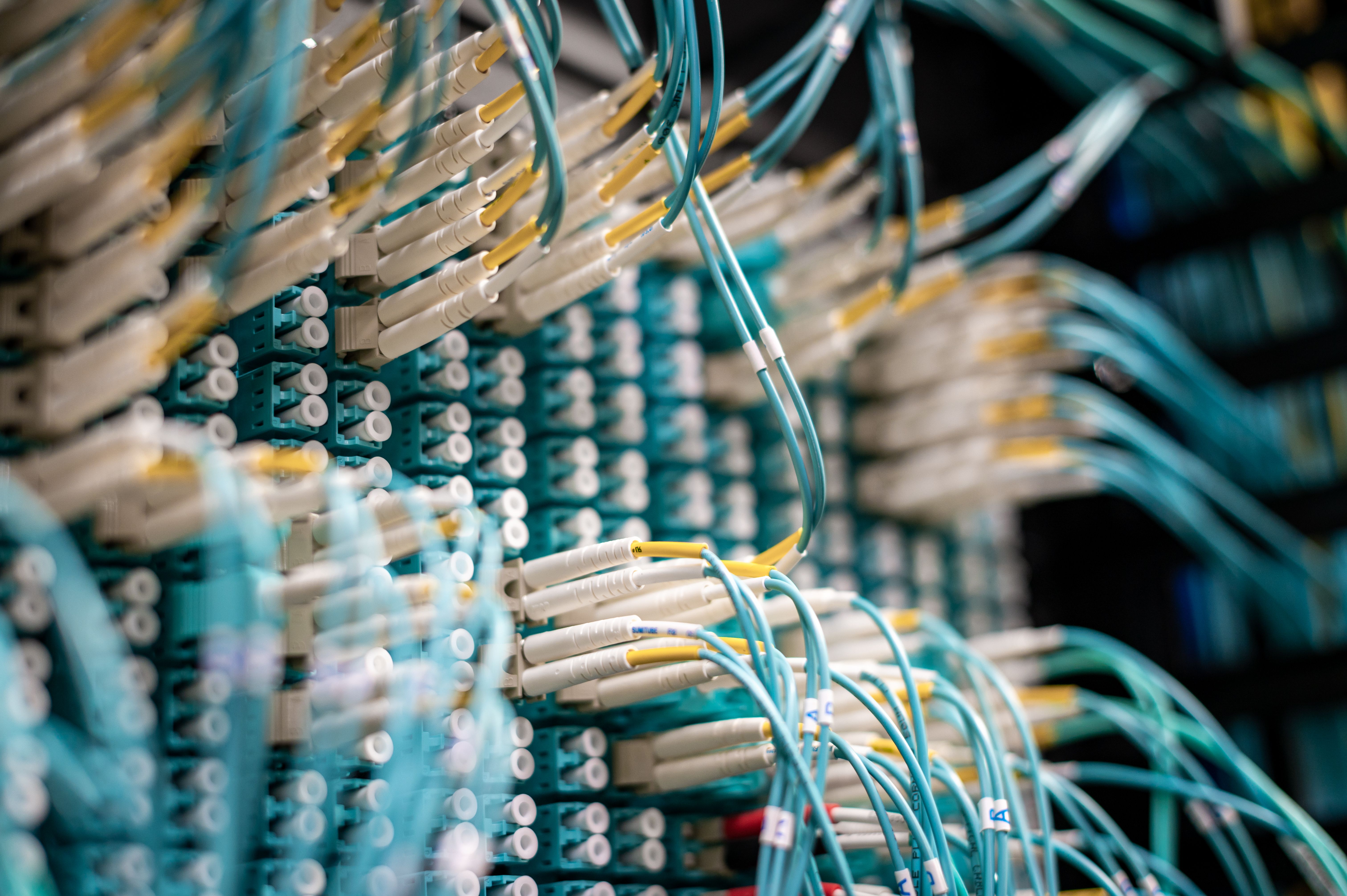
Fiber can provide high-capacity connectivity for backbone networks, distribution, enterprise connections, data center interconnects, and other demanding applications.
However, fiber projects involve more than cable alone. Depending on the design, a deployment may require optical equipment, switches, distribution hardware, enclosures, connectors, mounting accessories, and other supporting components.
Planning the complete equipment list early can help reduce sourcing gaps, avoid last-minute purchasing, and keep installation schedules on track.
Fixed wireless and microwave backhaul
Fixed wireless can help providers deliver broadband in areas where extending fiber directly to every customer may be difficult or expensive. Microwave links can also support backhaul, network extensions, and connectivity between sites where the design and available spectrum make them suitable.
Equipment selection should account for throughput, frequency band, link distance, line of sight, interference, weather considerations, licensing, and the existing network architecture.
Hybrid network strategies
In many deployments, fiber and wireless are complementary rather than competing technologies. Fiber may provide backbone capacity while wireless links connect remote sites, extend coverage, or support locations where a wired connection is less practical.
The right combination requires careful planning. A low equipment price alone does not guarantee a cost-effective network if the solution creates additional engineering work, compatibility problems, or operating expenses.
SWG Inc supports businesses looking for telecommunications equipment and practical sourcing options for fiber, wireless broadband, and network infrastructure projects.
4. Turn Surplus Telecom Equipment Into Working Capital
Equipment sitting unused in a warehouse, storage room, or decommissioned network represents an opportunity that many businesses overlook.
Over time, providers accumulate spare radios, network hardware, fiber components, accessories, replacement units, and equipment removed during upgrades. Some items may still have demand in the secondary market, particularly when operators need compatible replacements for established networks.
Holding excess inventory can tie up cash, consume valuable storage space, and create additional inventory-management work.
A structured surplus asset recovery program can help your organization identify equipment that may have resale value.
How to approach surplus asset recovery
Step 1: Identify excess inventory. Review unused equipment, duplicate spares, decommissioned hardware, and products no longer needed for planned deployments.
Step 2: Document the assets. Record manufacturers, model numbers, part numbers, quantities, condition, and available accessories. Include serial numbers when appropriate for identification and tracking.
Step 3: Separate equipment by condition. Distinguish new, unused, tested, used, incomplete, and untested items. Accurate descriptions help determine appropriate selling channels and expectations.
Step 4: Evaluate potential market demand. Some equipment may be useful for current deployments, while other products may be valuable primarily to operators maintaining older networks.
Step 5: Explore your selling options. Depending on the inventory, you may consider an outright sale, consignment, or another suitable asset-recovery arrangement.
Not every item will have meaningful resale value, and market demand can change. However, reviewing surplus inventory can reveal opportunities that would otherwise remain overlooked.
SWG Inc helps businesses explore surplus telecom equipment acquisition, consignment, remarketing, and asset recovery. If your organization has equipment taking up space or capital, let's discuss whether it may have a second life in the marketplace.
5. Reduce Project Delays With Better Equipment Planning
Equipment costs are only one part of the total cost of a network project.
A missing component, incompatible replacement, delayed shipment, or unexpected licensing requirement can affect installation schedules and create additional expenses. Emergency purchases may also limit your choices.
A more effective procurement process starts before the project reaches the installation stage.
Consider these practical steps:
- Develop a complete bill of materials early in the planning process.
- Confirm exact part numbers and required quantities before placing orders.
- Identify critical components with long or uncertain lead times.
- Verify compatibility with existing equipment and planned configurations.
- Establish spare-parts requirements for critical links and network sites.
- Identify alternative sourcing options where technically appropriate.
- Coordinate delivery schedules with installation and deployment milestones.
For providers operating across multiple locations, planning for sparing and replacement inventory can be especially valuable. Having the correct replacement equipment available may help reduce the time required to restore service when a component fails.
SWG Inc can help customers source equipment and explore inventory options to support network deployments, replacements, and ongoing operational needs.
6. Don't Overlook Network Design, Consulting, and Licensing
Sometimes the biggest savings opportunity isn't a cheaper piece of equipment. It's making a better decision before purchasing anything.
Network design and consulting can help organizations evaluate deployment options, identify equipment requirements, consider existing infrastructure, and plan for future capacity.
Depending on the project, this may include:
- Reviewing network requirements and existing infrastructure.
- Evaluating fiber and wireless connectivity options.
- Planning equipment configurations and procurement requirements.
- Identifying potential compatibility and integration issues.
- Coordinating equipment sourcing with project timelines.
- Evaluating applicable frequency, spectrum, and FCC licensing requirements.
- Considering network expansion, redundancy, and future scalability.
Wireless projects may require frequency coordination, licensing, or other regulatory considerations depending on the service and spectrum involved. Requirements should be confirmed for the specific application before deployment.
SWG Inc offers telecommunications expertise beyond equipment transactions, including network design and consulting, as well as licensing-related support where applicable.
Bringing equipment sourcing and technical planning together can help businesses make more informed purchasing decisions and avoid unnecessary spending.
7. Evaluate Total Cost of Ownership — Not Just the Purchase Price
A lower upfront price does not always produce the lowest long-term cost.
When comparing equipment options, consider the complete financial and operational picture.
| Cost consideration | Questions to ask |
|---|---|
| Purchase price | What is the total cost, including accessories and required components? |
| Compatibility | Will the equipment work with the existing network and intended configuration? |
| Installation | Will additional engineering, mounting, cabling, or configuration be required? |
| Licensing and software | Are licenses, subscriptions, or software entitlements needed? |
| Reliability | What is known about condition, testing, and expected operating requirements? |
| Warranty and support | What coverage is available, and who is responsible for support? |
| Lead time | Can the equipment arrive in time for the project? |
| Future flexibility | Will the solution support planned capacity and future expansion? |
A new product may be the best long-term investment for one application, while a suitable pre-owned component may be the smarter choice for another.
The goal is to compare options based on your actual requirements and avoid paying for capabilities you don't need — or sacrificing requirements that are essential to your network.
8. Choose an Equipment Partner Who Understands Your Business
Telecommunications providers need more than a list of products. They need access to equipment, knowledgeable sourcing assistance, and a partner who understands the challenges of operating and expanding a network.
SWG Inc works with businesses across the telecommunications, wireless broadband, fiber, and communications industries.
Our capabilities include:
- New and pre-owned telecommunications equipment.
- Wireless broadband and microwave radio equipment.
- Fiber networking equipment and accessories.
- Legacy, end-of-life, and hard-to-find components.
- Surplus inventory acquisition and asset recovery.
- Consignment and remarketing solutions.
- Repair and equipment-related support where applicable.
- Network design and consulting.
- Licensing-related support and infrastructure planning.
- Equipment sourcing for deployment, replacement, and sparing needs.
Whether you're planning a new build, upgrading an existing network, sourcing a specific component, or looking to recover value from excess inventory, SWG Inc can help you explore the options.
We're a family-owned business with deep experience in the telecommunications marketplace. We believe in relationships first, practical solutions, and helping customers find the equipment and services that fit their needs.
The Bottom Line: Build Smarter, Source Strategically, and Recover Value
Network expansion doesn't have to mean unnecessary spending.
By evaluating existing infrastructure, considering new and pre-owned equipment, planning procurement early, reviewing licensing and compatibility requirements, and recovering value from surplus assets, telecommunications businesses can make more informed infrastructure decisions.
The most effective strategy is the one that meets your technical requirements, supports reliable operations, and makes sense for your budget.
Whether you're an ISP expanding broadband coverage, a WISP upgrading wireless backhaul, a fiber contractor preparing for your next deployment, or a telecom operator maintaining an established network, SWG Inc is ready to help.
Ready to Expand Your Network Without Overspending?
Let's talk about your next project.
Need new equipment? Looking for hard-to-find radios or replacement components? Planning a fiber or wireless deployment? Have surplus telecom inventory you want to sell or consign?
SWG Inc can help you explore equipment sourcing, network solutions, and surplus asset recovery opportunities.
Contact SWG Inc today to discuss your equipment needs or surplus inventory.
Visit https://swginc.com/ to learn more about our products and services, or call 888-490-3645 to start a conversation.
SWG Inc — Telecom Equipment. Network Solutions. Smarter Asset Recovery.